
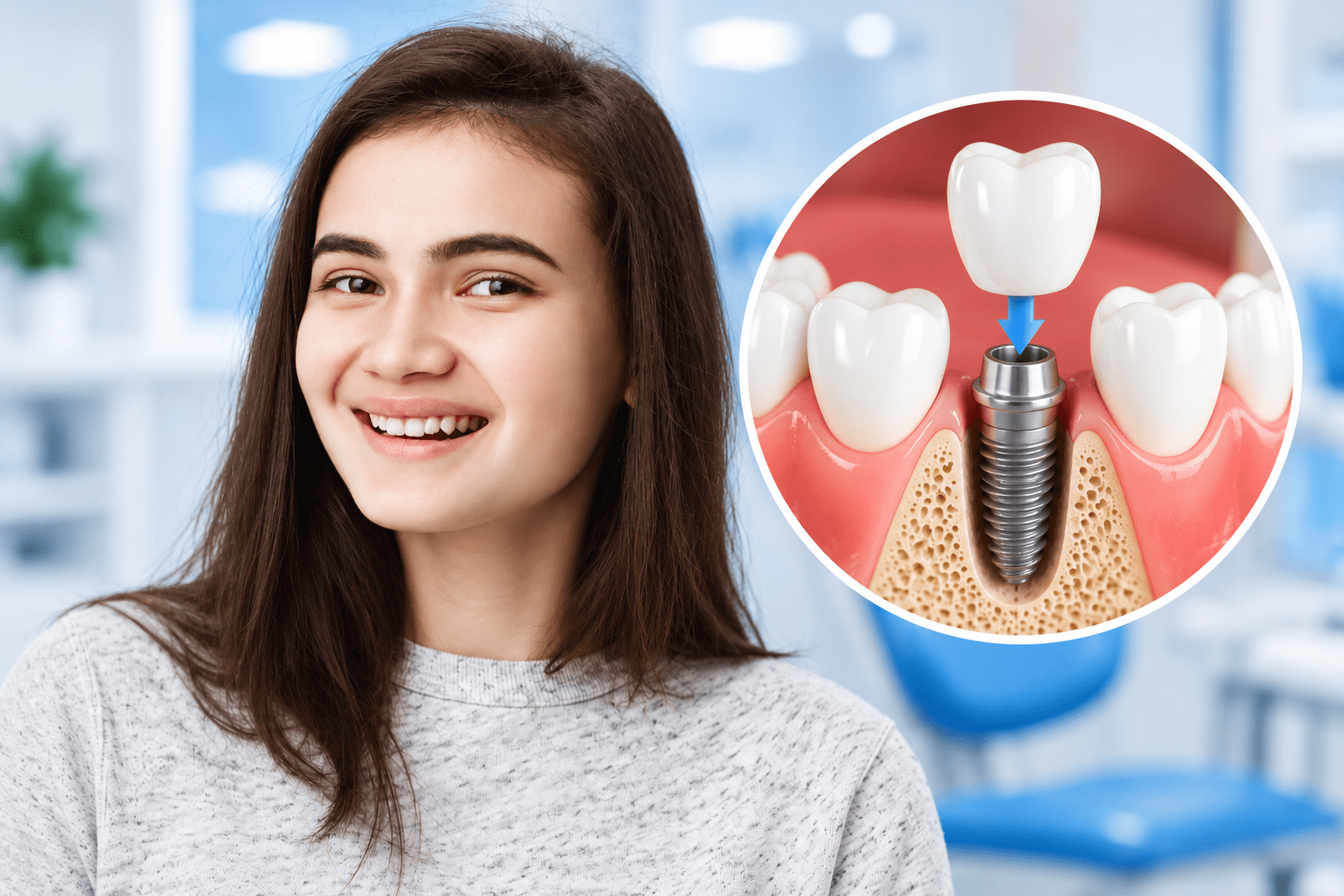
Losing a tooth can affect more than the appearance of your smile. It can change how you chew, shift nearby teeth, and contribute to jawbone loss over time. Replacing a missing tooth with a dental implant can restore chewing function, support a natural-looking smile, and provide a long-term tooth replacement option.
One of the most common questions patients ask is how soon they should replace a missing tooth with an implant. The answer depends on several factors, including the condition of the gums, the amount of available jawbone, the reason for tooth loss, and whether additional treatment is needed before implant placement.
At Akash Dental Care, we encourage patients considering dental implants in Gota to seek an assessment rather than delay treatment without understanding their options. Some patients may qualify for immediate implant placement, while others benefit from a healing period before proceeding. Understanding these timelines can help you make an informed decision about your oral health.
Why Is It Important to Replace a Missing Tooth?
A missing tooth can affect several aspects of oral health, even when the gap is not immediately noticeable. The impact depends on the location of the missing tooth, the number of teeth lost, and the condition of the remaining teeth. Replacing a missing tooth at an appropriate time can help maintain chewing function and reduce the risk of certain complications.
1. Changes in Chewing and Speaking
Teeth work together to break down food efficiently and support clear speech. When a tooth is missing, the remaining teeth may have to handle additional pressure during chewing. This can make certain foods more difficult to eat, particularly when multiple teeth are missing, or the gap is located toward the back of the mouth.
Depending on the position of the missing tooth, patients may also notice changes in pronunciation. Although these changes are not inevitable, they can affect everyday comfort. A dental implant can replace the missing tooth with a restoration designed to function alongside the surrounding teeth.
2. Shifting of Nearby Teeth
The empty space left by a missing tooth can allow neighbouring teeth to move gradually. Teeth may tilt or drift toward the gap, while the opposing tooth may move into the available space. These changes can affect the alignment of the bite and make cleaning certain areas more difficult.
Not every missing tooth leads to noticeable movement, but the possibility makes professional assessment important. Replacing the tooth with an implant, bridge, or another suitable restoration can help address the gap and support the overall function of the remaining teeth.
3. Jawbone Changes After Tooth Loss
The roots of natural teeth provide stimulation to the jawbone during everyday activities such as chewing. Following tooth loss, the bone in the affected area may gradually lose volume because it no longer receives the same stimulation.
The extent of this change varies between patients. Some experience limited bone loss, while others develop a deficiency that affects future implant placement. Dental implants in Gota may help preserve bone around the implant by transferring functional forces to the jawbone, although they cannot prevent every type of bone loss or replace bone that has already deteriorated.
4. Impact on Smile Appearance and Confidence
A missing front tooth may be especially noticeable when speaking or smiling. Some patients become self-conscious about photographs, social interactions, or professional situations. Even a missing back tooth can affect confidence if it changes the appearance or function of the smile.
A dental implant can support a custom-made crown designed to complement the colour, shape, and proportions of the surrounding teeth. The final appearance depends on the position of the implant, gum health, available bone, and the design of the restoration.
How Soon Can You Get a Dental Implant After Tooth Extraction?
A dental implant may be placed immediately after a tooth is removed, after several weeks of healing, or after a longer recovery period. When to get a dental implant after tooth extraction depends on the condition of the extraction site, gum health, and whether the implant can achieve sufficient stability in the jawbone.
Dentists generally consider three approaches: immediate placement, early placement, and delayed placement. Each has different clinical requirements, so a dental examination is necessary to determine the most suitable timing for your treatment.
1. Immediate Dental Implant Placement
Immediate implant placement involves inserting the implant during the same appointment as tooth extraction. This approach may reduce the number of separate surgical appointments and shorten the overall treatment timeline for selected patients.
Before recommending immediate placement, the dentist evaluates the available bone, the condition of the surrounding gums, and the reason the tooth needs to be removed. The implant must also achieve adequate initial stability.
Patients with significant infection, extensive bone damage, or other factors affecting implant stability may not be suitable for this approach. Immediate implant placement also does not automatically mean that a permanent crown can be attached on the same day. The timing of the final restoration depends on clinical stability and the treatment plan.
2. Early Dental Implant Placement
Early implant placement involves inserting the implant after an initial healing period. In selected cases, this may occur approximately 4 to 8 weeks after extraction, allowing the soft tissues to begin healing before surgery.
This approach may be considered when the dentist wants to assess the extraction site after the initial recovery phase. The gums may have healed sufficiently to support the next stage of treatment, although the condition of the underlying bone still needs careful evaluation.
The exact timeline varies according to the reason for extraction, tissue health, and individual healing. A dentist may recommend a different interval if infection, bone damage, or other complications are present.
3. Delayed Dental Implant Placement
Delayed placement involves waiting several months or longer after tooth extraction before inserting the implant. This may be appropriate when the extraction site needs additional time to heal or when the patient requires preparatory treatment.
For example, patients with significant bone loss may benefit from bone grafting before implant placement. Those with certain infections or other oral health concerns may need treatment before implant surgery can proceed safely.
Although waiting can be necessary, it is helpful to arrange an assessment early. This allows the dentist to evaluate the site, explain the available options, and determine whether additional procedures may be required.
What is the Best Timing for Dental Implant Placement?
There is no single ideal timeline that applies to every patient. The best time to receive an implant is when the oral tissues and jawbone can support the planned procedure and the patient’s overall health has been appropriately evaluated.
Factors That Affect Treatment Timing
Several factors influence how soon a dental implant can be placed:
- Jawbone density and volume: Adequate bone is necessary to support implant stability. Bone grafting may be recommended if the available bone is insufficient.
- Gum health: Healthy surrounding tissues support treatment planning. Existing gum disease may need to be managed before implant surgery.
- Infection at the extraction site: The cause and severity of an infection can influence whether immediate placement is appropriate.
- Healing capacity: Certain health conditions, medications, and individual factors may affect recovery and need to be considered by the treating dentist.
- Smoking habits: Smoking can interfere with healing and increase the risk of implant complications.
- Oral hygiene: Maintaining clean teeth and healthy gums is important before and after treatment.
- Additional procedures: Bone grafting, treatment of gum disease, or other preparatory care may extend the overall timeline.
A detailed examination helps establish whether immediate, early, or delayed placement is appropriate for your situation.
Can You Get a Dental Implant Months or Years After Tooth Loss?
Yes, a dental implant may still be possible months or even years after losing a tooth. The amount of time that has passed does not automatically make someone unsuitable for implant treatment.
However, the jawbone may have changed during the period without a tooth. Depending on the amount of available bone and the position of nearby structures, additional imaging or preparatory procedures may be needed.
Some patients can proceed directly to implant placement, while others may require bone grafting or alternative treatment. An experienced implant dentist in Gota can assess the area and explain which options are appropriate.
If you have been living with a missing tooth for several years, an examination can help determine the current condition of the site and whether implant treatment remains a suitable option.
What Happens If You Wait Too Long?
Delaying treatment does not always lead to serious complications, but certain changes may occur while a tooth remains missing.
The jawbone may gradually lose volume, neighbouring teeth may drift into the empty space, and the opposing tooth may move toward the gap. These changes can affect bite alignment and make future restorative treatment more complicated.
In some cases, bone loss may mean that grafting is required before an implant can be placed. Changes in the position of surrounding teeth may also influence the available space for the replacement tooth.
The important point is not that every missing tooth must be replaced immediately. Instead, early dental evaluation helps identify potential problems and preserves the opportunity to plan treatment before avoidable changes become more significant.
What Happens During Dental Implant Treatment?
Dental implant treatment usually involves several stages, from the initial examination to the placement of the final crown. The overall process may take several months because the implant often needs time to integrate with the jawbone.
1. Initial Consultation and Oral Examination
The process begins with an assessment of the missing tooth, surrounding gums, jawbone, and remaining teeth. The dentist reviews your dental history, current oral health, and any factors that could affect healing.
Diagnostic imaging, such as dental X-rays or a cone beam computed tomography scan when indicated, may be used to evaluate bone dimensions and nearby anatomical structures.
This information helps determine the implant position, the need for additional procedures, and the expected treatment timeline. Patients can also discuss their concerns, available restoration options, costs, and maintenance requirements.
2. Tooth Extraction and Site Preparation
If the damaged tooth is still present, extraction may be necessary before implant placement. The dentist assesses whether the tooth can be removed while preserving as much of the surrounding bone and soft tissue as possible.
Appropriate Tooth Extraction Treatment is important because the condition of the extraction site can influence future implant planning. Depending on the circumstances, the dentist may consider preserving the socket with a graft or allowing the area to heal before proceeding.
Not every extraction requires bone grafting, and not every patient needs a separate healing period. These decisions depend on the condition of the tooth, surrounding tissues, and the planned treatment approach.
3. Dental Implant Placement
During implant surgery, a small implant, usually made from a biocompatible material such as titanium, is positioned in the jawbone. It serves as an artificial tooth root and provides support for the replacement crown.
The procedure is planned around the available bone and the intended position of the final tooth. Local anaesthesia is commonly used, while additional comfort options may be discussed when appropriate.
Following placement, the dentist provides instructions for caring for the surgical area and managing the initial recovery period. The healing process must be monitored before the final restoration is attached.
4. Healing and Implant Integration
After implant placement, the surrounding bone gradually bonds with the implant surface through a process called osseointegration. This biological process helps establish the stability needed to support the replacement tooth.
Healing and integration commonly take several months, although the exact duration varies. Bone quality, implant stability, the need for grafting, and individual healing factors can all influence the timeline.
During this stage, patients should follow their dentist’s instructions and attend recommended follow-up visits. The implant should not be subjected to forces beyond those permitted by the treatment plan.
5. Placement of the Final Crown
Once adequate integration and stability have been confirmed, the dentist proceeds with the final restoration when appropriate. A custom-made crown is attached to the implant to replace the visible portion of the missing tooth.
The crown is designed to complement the surrounding teeth in shape, colour, and function. The dentist checks the bite and makes adjustments where needed to help ensure comfortable chewing.
The final result depends on the implant position, the condition of the gums, the design of the crown, and ongoing oral care. Regular monitoring remains important after treatment is completed.
Are You a Suitable Candidate for Dental Implants?
Dental implants may be suitable for adults who have lost one or more teeth and want a fixed replacement. However, candidacy depends on the condition of the mouth, available bone, general health, and ability to maintain the restoration.
You may be considered for treatment if you:
- Have one or more missing teeth that need replacement.
- Have sufficient jawbone to support an implant or may benefit from bone grafting.
- Have healthy gums or are willing to receive treatment for existing gum disease.
- Can maintain consistent oral hygiene.
- Can attend follow-up appointments for monitoring and maintenance.
- Understand the treatment timeline and the importance of protecting the implant during healing.
Certain medical conditions, medications, and habits may influence treatment planning. These factors do not necessarily rule out implants, but they should be reviewed before surgery.
A qualified dentist must assess your individual circumstances before confirming whether implant treatment is appropriate.
How to Care for Your Mouth Before and After Dental Implant Placement
Good oral care supports healing and helps maintain the health of the tissues surrounding a dental implant. Following professional advice before and after surgery can also reduce the likelihood of preventable complications.
1. Maintain Good Oral Hygiene
Brush your teeth regularly with a soft-bristled toothbrush and clean between your teeth using suitable floss or interdental cleaning tools. Your dentist may recommend specific techniques for cleaning around the implant restoration.
Immediately after surgery, avoid disturbing the surgical site and follow the cleaning instructions provided by your dental team. As healing progresses, careful cleaning around the implant and nearby teeth becomes an essential part of your daily routine.
2. Follow Your Dentist’s Instructions
Follow the recommended guidance regarding prescribed medication, food choices, activity restrictions, and wound care. Avoid changing medication doses or stopping prescribed treatment without consulting the relevant healthcare professional.
Attend follow-up appointments so the dentist can monitor healing and address concerns. Contact the clinic if you experience worsening pain, increasing swelling, persistent bleeding, fever, or other symptoms that require assessment.
3. Avoid Smoking During Healing
Smoking can impair blood flow and interfere with normal healing. It may also increase the risk of implant complications and affect the long-term health of the surrounding tissues.
Avoiding smoking before and after implant surgery can support recovery. Discuss your smoking habits openly with your dentist so they can explain the risks and provide appropriate recommendations.
4. Attend Regular Dental Checkups
Dental implants require ongoing care even after the final crown has been fitted. Routine appointments allow the dentist to assess the implant, check the gums, evaluate the bite, and identify potential concerns.
Professional cleaning may also be recommended according to your oral health needs. Regular monitoring can help identify inflammation or other problems before they progress.
Choosing the Right Dental Implant Clinic
Choosing the right Dental Implants Clinic in Gota is important for safe, effective treatment. Look for an experienced implant dentist who explains the procedure, treatment timeline, costs, and aftercare requirements.
At Akash Dental Care, patients considering implant dentistry can discuss their oral health and missing tooth replacement options. If you are searching for the best dental clinic in Gota, Ahmedabad, schedule a consultation to understand your suitability for dental implants and plan the next steps.
Restore Your Smile With Personalized Dental Implant Care
Replacing a missing tooth at the right time can help restore chewing function, improve your smile, and protect your oral health. The ideal timing for dental implant placement depends on your gum health, jawbone condition, and individual treatment needs.
Even if you lost a tooth months or years ago, dental implants may still be an option. A professional assessment can help determine whether you need immediate placement, a healing period, or additional treatment before implant placement.
At Akash Dental Care, patients considering dental implants in Gota can receive guidance on suitable tooth replacement options and treatment timelines. Contact our team to schedule a consultation and take the next step toward restoring your smile with personalized dental care.
Frequently Asked Questions About Dental Implants
How Soon Should I Replace a Missing Tooth With an Implant?
A missing tooth can sometimes be replaced with an implant immediately after extraction. In other cases, the dentist may recommend waiting several weeks or months for healing. The appropriate timeline depends on bone quality, gum health, infection, and whether additional treatment is needed.
Can a Dental Implant Be Placed on the Same Day as Tooth Extraction?
Yes, same-day implant placement is possible in selected cases. The extraction site must have suitable bone support, and the implant must achieve adequate stability. Infection, bone damage, and other clinical factors may make delayed placement a more appropriate option.
Is It Too Late to Get a Dental Implant After Years of Missing a Tooth?
No, it is not necessarily too late. Many patients can explore implant treatment years after losing a tooth. However, bone loss, shifting teeth, and other changes may affect the procedure. A dental examination and appropriate imaging can help determine whether grafting or alternative treatment is required.
How Long Does a Dental Implant Take to Heal?
Implant healing and integration commonly take several months. The exact period depends on bone quality, implant stability, the patient’s healing capacity, and whether bone grafting was performed. The final crown is generally placed after the dentist confirms that the implant is sufficiently stable.
Will I Need Bone Grafting Before Getting a Dental Implant?
Bone grafting may be recommended when the jawbone does not provide enough volume to support an implant in the planned position. However, not every patient needs a graft. The decision depends on the available bone, the location of the missing tooth, and the intended implant placement.
Are Dental Implants Better Than Bridges for Replacing Missing Teeth?
Dental implants and bridges can both replace missing teeth, but they work differently. An implant is supported by the jawbone, while a conventional bridge generally relies on neighbouring teeth for support. The most suitable option depends on bone health, adjacent teeth, oral hygiene, treatment preferences, and overall clinical circumstances.
How Much Do Dental Implants in Gota Cost?
The cost of dental implants in Gota varies according to the implant system, crown material, diagnostic imaging, surgical requirements, and whether bone grafting or other procedures are necessary. A consultation at Akash Dental Care can help establish an individualized treatment plan and clarify the expected costs.